


Honda Repair
Honda Repair in Raleigh, NC
Trusted Honda Service from ASE-Certified Techs

Same-Day Appointments
Fast, convenient scheduling to get you back on the road sooner.
Text Updates
Stay informed with real-time service updates sent directly to your phone.
ASE-Certified
We are ASE-Certified and will keep your vehicle running at its best.
What Makes Honda Vehicles Unique
King’s Auto Service in Raleigh, NC, understands that Honda vehicles are engineered with a level of precision and innovation, and what that means for your maintenance and repair needs. From the legendary VTEC engines that defined a generation of performance-oriented driving to the more refined i-VTEC system found in modern Civics and Accords, Honda’s engineering philosophy demands a technician who genuinely understands how these systems interact. Honda’s Earth Dreams technology, for example, combines direct injection, variable valve timing, and lightweight construction to maximize both fuel efficiency and performance, which means a misdiagnosis or improper repair can affect multiple interconnected systems at once. The Variable Cylinder Management system found in certain V6 Honda models adds another layer of complexity, seamlessly deactivating cylinders under light load conditions to conserve fuel. When something goes wrong with these sophisticated systems, you need a Honda mechanic who can interpret the data accurately rather than guess at a solution. Our ASE-certified technicians use computerized diagnostic equipment to read your vehicle’s systems thoroughly before recommending any repair, so you’re never paying for work your Honda doesn’t actually need.
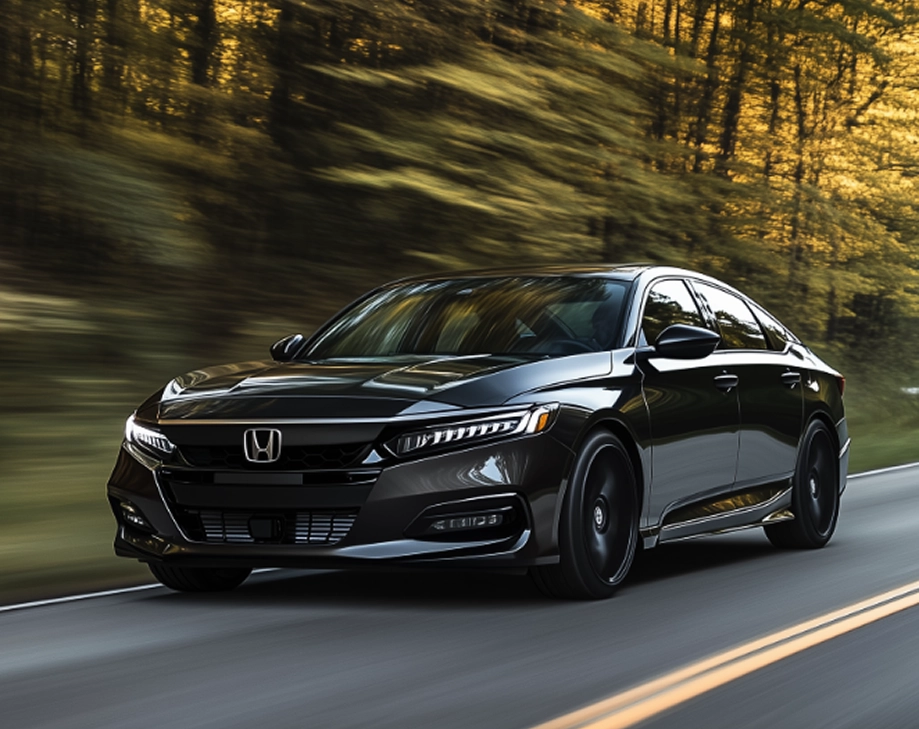
Warnings Your Honda Needs Attention
Honda vehicles are designed to communicate their maintenance needs clearly, and knowing what to watch for can save you from a much more expensive repair down the road. The Maintenance Minder system built into your instrument cluster is one of the most intuitive service reminder tools in the industry, using real-world driving data to calculate when your Honda actually needs service rather than relying on a generic mileage interval. A check engine light that comes on and stays on should never be ignored, as it could indicate anything from a loose gas cap to a more serious issue with your Honda Sensing suite, which includes the collision mitigation, lane keeping assist, and adaptive cruise control systems that require precise sensor calibration to function correctly. CVT transmission issues are another concern worth taking seriously early; if you notice hesitation, shuddering, or an unusual droning noise during acceleration, your continuously variable transmission may need a fluid service or further inspection. A/C system problems tend to surface gradually, often starting as reduced cooling performance before progressing to a complete loss of function, and catching them early typically means a simpler, less costly repair. The timing belt service interval is particularly critical on Honda models that still use a belt rather than a chain, as a failed timing belt can cause catastrophic engine damage with little to no warning.
Honda Services We Provide and How to Schedule Your Visit
At King’s Auto Service, we offer a comprehensive range of Honda repair and maintenance services designed to keep your vehicle performing the way Honda intended. Our technicians are experienced with timing belt and timing chain service, CVT fluid exchanges, valve adjustments, Honda Sensing calibration, and factory scheduled maintenance intervals for models including the Civic, Accord, CR-V, Pilot, and more. The Display Audio system and other electronic features in newer Honda models are also within our scope of service, as modern Honda repair increasingly involves software-level diagnostics alongside traditional mechanical work. We use quality OEM or equivalent parts on every repair, and our digital inspection reports give you a transparent view of your vehicle’s condition so you can make informed decisions without any pressure. Independent Honda repair doesn’t mean cutting corners; it means delivering dealership-level expertise with the personalized service and fair pricing that a locally owned shop can provide. You can reach us at (919) 834-0748 or visit us at 1039 North West Street, Raleigh, NC 27603 to schedule your appointment. Our shop is open Mon.- Thurs.: 7:30 am – 5:30 pm, Fridays 7:30am – 5:00pm. Whether you’re searching for Honda repair near me or looking for a long-term Honda specialist you can trust, King’s Auto Service is ready to earn your confidence one honest repair at a time.


Trusted Service Since 1946
Honest recommendations and dependable repairs you can feel confident about.

Accurate Diagnostics
Advanced testing and experienced technicians to pinpoint the problem correctly.

Exceptional Warranty
Drive with confidence backed by a strong nationwide warranty.

Financing Available
Flexible payment options to help make unexpected repairs more manageable.
Frequently Asked Questions About Honda Repair
Honda generally recommends CVT fluid service every 30,000 to 45,000 miles under normal driving conditions. However, severe driving habits may require more frequent intervals. Fresh CVT fluid helps protect the transmission’s internal components and maintain smooth, consistent performance. Costs vary depending on your specific Honda model and current fluid condition.
The Maintenance Minder monitors engine conditions, mileage, and driving patterns to calculate when your Honda needs specific services such as an oil change, tire rotation, or air filter replacement. It displays a letter and number code indicating exactly which services are due, taking the guesswork out of keeping up with your factory scheduled maintenance.
Yes, timing belt replacement is one of the most time-sensitive services on Honda models equipped with an interference engine. If the belt breaks before it’s replaced, the engine’s valves and pistons can collide, causing severe internal damage. Most Honda timing belt intervals fall between 60,000 and 105,000 miles, so checking your owner’s manual or asking your technician is strongly recommended.
Yes, a qualified independent Honda repair shop with the proper diagnostic equipment can perform Honda Sensing calibration after windshield replacements, suspension repairs, or collision work. Proper calibration is essential because even a slight misalignment of the forward-facing camera or radar sensors can compromise the system’s ability to detect vehicles and pedestrians accurately.
A steady check engine light may indicate a minor issue, while a flashing check engine light typically signals an active misfire that requires immediate attention to prevent catalytic converter damage. Either way, a professional diagnostic scan is the only reliable way to identify the fault code and determine the appropriate repair. Prices for diagnosis and repair vary based on make and model.