


Transmission Repair
Transmission Repair in Raleigh, NC
What to Know About Keeping Your Transmission Healthy

Same-Day Appointments
Fast, convenient scheduling to get you back on the road sooner.
Text Updates
Stay informed with real-time service updates sent directly to your phone.
ASE-Certified
We are ASE-Certified and will keep your vehicle running at its best.
When Your Transmission Needs Attention
Your transmission is one of the most complex and essential systems in your vehicle, responsible for transferring engine power to the wheels and allowing smooth gear changes whether you’re navigating downtown Raleigh or cruising along the highway. King’s Auto Service has helped countless drivers in the area recognize the early warning signs that something isn’t quite right before a minor issue turns into a costly repair. Some of the most common symptoms include slipping gears, where your vehicle unexpectedly changes gears or loses power during acceleration, and delayed engagement, that unsettling pause between shifting into drive and moving. You might also notice a burning smell, which often indicates overheating transmission fluid, or strange noises when shifting, such as grinding or shaking, that signal internal wear. Transmission fluid leaks are another red flag, typically appearing as reddish puddles beneath your vehicle, and an illuminated check engine light can sometimes point directly to transmission-related fault codes. Catching these signs early and scheduling a transmission diagnostic can mean the difference between a straightforward repair and a full transmission replacement.
Components Involved in a Transmission Repair
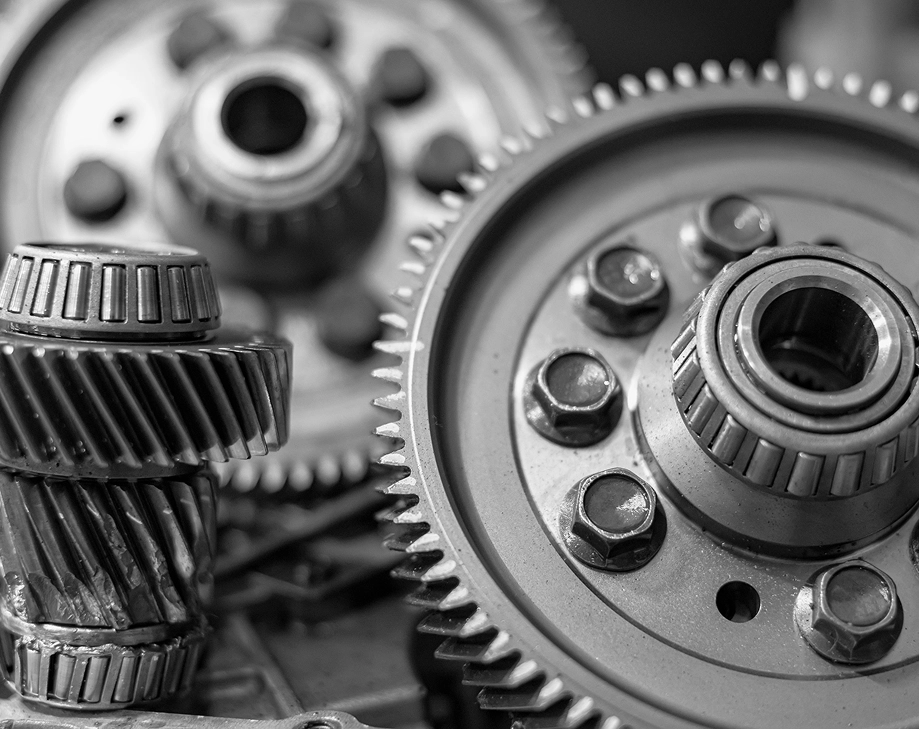
Understanding what’s inside your transmission helps explain why professional diagnosis is so important before any repair work begins. The transmission is made up of several interconnected components, each playing a specific role in how your vehicle shifts and performs. The torque converter transfers rotational energy from the engine to the transmission in automatic vehicles. At the same time, the valve body acts as the hydraulic control center, directing fluid pressure to engage the correct gear at the right time. Transmission solenoids are electronically controlled valves that regulate fluid flow based on signals from the transmission control module, which is essentially the computer brain managing shift timing and pressure. Inside the transmission, clutch packs and bands work together to hold and release different gear sets, and when these components wear, slipping or harsh shifting often follows. The transmission pan houses the transmission filter and a reservoir of transmission fluid, both of which play a critical role in keeping internal components lubricated and clean. At King’s Auto Service, located at 1039 North West Street, Raleigh, NC 27603 in Raleigh, NC, our ASE-certified technicians use computerized diagnostic equipment to pinpoint exactly which components are affected before recommending any repair, so you’re never paying for work your vehicle doesn’t need. You can reach our team directly at (919) 834-0748 to schedule a transmission diagnostic or ask questions about what you’re experiencing.
Transmission Services King’s Auto Service Offers
Transmission repair covers a wide range of services depending on the severity and nature of the problem, and our team is equipped to handle everything from routine maintenance to more involved mechanical work. A transmission fluid change or transmission flush is often the first line of defense, removing degraded fluid and replacing it with fresh fluid to restore proper lubrication and hydraulic pressure throughout the system. If your vehicle has a clogged transmission filter, contaminated fluid, or a faulty solenoid, addressing these issues early through a transmission service appointment can prevent accelerated wear on more expensive components like the clutch packs or torque converter. For vehicles with driveline or transfer case concerns, we also provide driveline service and transfer case service to ensure power is being delivered efficiently to all wheels. When internal damage is more extensive, our technicians will walk you through your options clearly, whether that involves a targeted repair, a transmission rebuild, or in some cases, a transmission replacement, always with honest recommendations and transparent pricing. We also offer transmission cooler service to help vehicles that tow or operate under heavy loads maintain safe operating temperatures. Whether you’re searching for transmission repair near me or looking for a trusted local transmission repair shop, King’s Auto Service is here to provide the expertise and care your vehicle deserves. Our shop is open Mon.- Thurs.: 7:30 am – 5:30 pm, Fridays 7:30am – 5:00pm.


Trusted Service Since 1946
Honest recommendations and dependable repairs you can feel confident about.

Accurate Diagnostics
Advanced testing and experienced technicians to pinpoint the problem correctly.

Exceptional Warranty
Drive with confidence backed by a strong nationwide warranty.

Financing Available
Flexible payment options to help make unexpected repairs more manageable.
Frequently Asked Questions About Transmission Repair
Transmission repair costs vary depending on your vehicle’s make and model, the specific components involved, and whether the repair requires a rebuild or replacement. Minor repairs such as a solenoid replacement or fluid service are generally less involved than a full rebuild. A diagnostic inspection helps determine exactly what’s needed so you receive an accurate estimate before any work begins.
Repair time depends on the complexity of the issue. A transmission fluid flush or filter service can often be completed in a single visit, while more extensive repairs such as a valve body replacement or transmission rebuild may require additional time. Your service advisor at King’s Auto Service will provide a realistic timeline after the diagnostic is complete.
Driving with a slipping transmission is not recommended. Continued operation can accelerate wear on internal components like clutch packs and bands, potentially turning a repairable issue into one requiring full transmission replacement. If you notice slipping gears, delayed engagement, or unusual noises when shifting, scheduling a diagnostic appointment as soon as possible is the safest course of action.
Transmission fluid change intervals vary by manufacturer and driving conditions. Many manufacturers recommend a transmission service every 30,000 to 60,000 miles. However, vehicles used for towing or stop-and-go driving may benefit from more frequent service. Your technician can review your vehicle’s service history and recommend the appropriate interval based on your specific make and model.
A transmission fluid change typically drains the fluid from the transmission pan and replaces it, while a transmission flush uses specialized equipment to remove nearly all of the old fluid from the entire system, including the torque converter and cooler lines. A flush is more thorough and is often recommended when fluid is significantly degraded or contaminated. Your technician can advise which service is appropriate for your vehicle.