


Japanese Auto Repair
Japanese Auto Repair in Raleigh, NC
Specialized Service for Honda, Toyota, Nissan, and More

Same-Day Appointments
Fast, convenient scheduling to get you back on the road sooner.
Text Updates
Stay informed with real-time service updates sent directly to your phone.
ASE-Certified
We are ASE-Certified and will keep your vehicle running at its best.
What Makes Japanese Vehicles Unique to Service?
Japanese vehicles have earned a well-deserved reputation for reliability and longevity but keeping them performing at their best requires a technician who truly understands what makes them tick. At King’s Auto Service in Raleigh, NC, our ASE-certified team brings hands-on experience with the full range of Japanese makes and models, from Honda and Toyota to Nissan, Subaru, Mazda, and Mitsubishi. These vehicles are built around sophisticated systems like Honda’s VTEC and Toyota’s VVT-i variable valve timing technology, which optimize engine performance and fuel efficiency in ways that demand specialized knowledge to diagnose and service correctly. Direct injection systems, found across many modern Japanese engines, deliver fuel at extremely high pressures directly into the combustion chamber, improving efficiency but also requiring careful attention during routine maintenance to prevent carbon buildup. Whether you drive a daily commuter or a JDM import, our team has the training and equipment to service your vehicle to manufacturer standards. We approach every Japanese car repair with the same level of precision and care that went into building it.
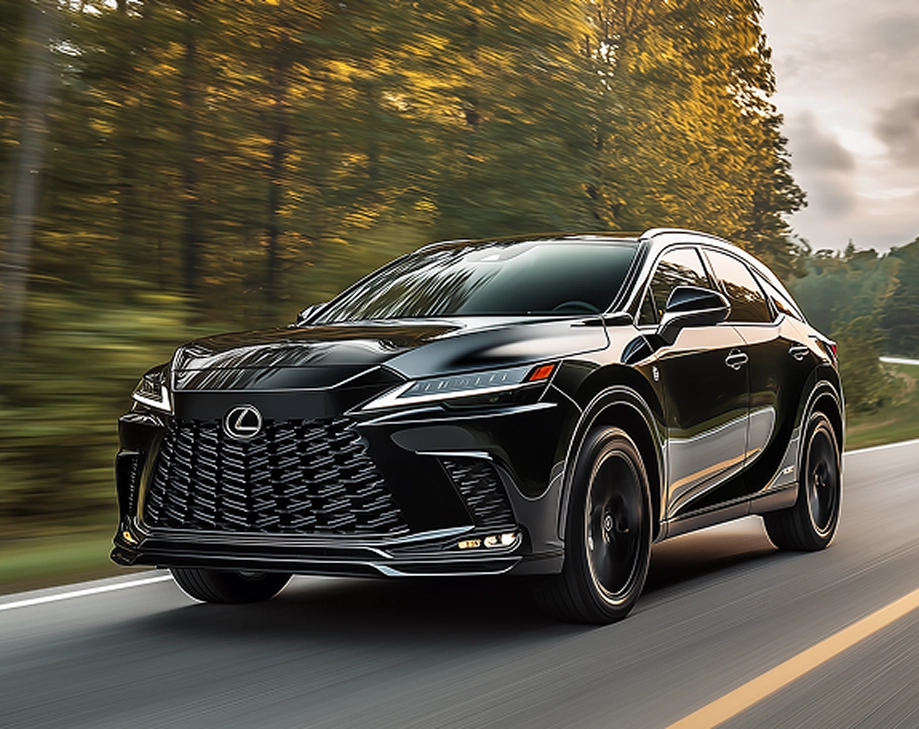
Advanced Systems That Require Experienced Hands
One of the most common concerns we hear from drivers of Japanese vehicles is uncertainty about whom to trust with their car’s more complex systems, and that concern is completely valid. CVT transmissions, used widely across Nissan, Subaru, and Honda lineups, operate very differently from traditional automatic transmissions and require specific CVT fluid service intervals and diagnostic approaches to maintain properly. Hybrid systems found in Toyota Prius, Honda Accord Hybrid, and other models involve high-voltage battery packs, regenerative braking components, and dual powertrain management that require both specialized training and appropriate safety protocols. Our shop uses Japanese diagnostic equipment capable of reading manufacturer-specific fault codes that generic scan tools often miss, giving us a more complete picture of what your vehicle actually needs. Safety systems like Honda Sensing and Toyota Safety Sense, which include features such as pre-collision braking, lane departure warning, and adaptive cruise control, require precise calibration after certain repairs or component replacements. Ignoring a warning light or a subtle change in how your vehicle drives can allow a minor issue to develop into a costly repair, so we encourage you to reach out as soon as something feels off. You can call us at (919) 834-0748 or stop by at 1039 North West Street, Raleigh, NC 27603 to schedule a diagnostic appointment.
Factory Scheduled Maintenance and Timing Service
Staying current with factory scheduled maintenance is one of the most effective ways to protect the long-term value and reliability of your Japanese vehicle. Timing belt and timing chain service is among the most critical intervals to observe, particularly for Honda, Toyota, and Nissan engines where a failed timing belt can cause catastrophic internal engine damage in a matter of seconds. Some Japanese engines use a timing chain, which is designed to last the life of the engine under proper maintenance conditions, while others rely on a rubber timing belt that must be replaced at manufacturer-specified mileage intervals, typically between 60,000 and 105,000 miles depending on the model. Our technicians review your vehicle’s service history and consult manufacturer guidelines to ensure every maintenance item is addressed at the right time, whether that’s a CVT fluid exchange, spark plug replacement, or a comprehensive multi-point inspection. If your dashboard is showing a maintenance reminder, a check engine light, or a hybrid system warning, those signals deserve prompt attention rather than a wait-and-see approach. King’s Auto Service is open Mon.- Thurs.: 7:30 am – 5:30 pm, Fridays 7:30am – 5:00pm, giving you scheduling options throughout the week. Bringing your Japanese import to a shop that genuinely understands its engineering means you can drive away with confidence, knowing the work was done the first time correctly.


Trusted Service Since 1946
Honest recommendations and dependable repairs you can feel confident about.

Accurate Diagnostics
Advanced testing and experienced technicians to pinpoint the problem correctly.

Exceptional Warranty
Drive with confidence backed by a strong nationwide warranty.

Financing Available
Flexible payment options to help make unexpected repairs more manageable.
Frequently Asked Questions About Japanese Auto Repair
Most manufacturers recommend CVT fluid service every 30,000 to 60,000 miles, though this varies by make, model, and driving conditions. Some automakers label CVT fluid as “lifetime.” However, many technicians and manufacturers now advise periodic changes to prevent premature transmission wear. Costs vary based on vehicle make and model.
Yes, provided the shop has technicians trained in high-voltage hybrid systems and the appropriate diagnostic equipment. Our team at King’s Auto Service is equipped to service hybrid vehicles from Toyota, Honda, and other Japanese brands, including battery system checks, hybrid warning light diagnosis, and routine hybrid system maintenance.
A check engine light can indicate anything from a loose gas cap to a misfiring engine or a failing oxygen sensor. Japanese vehicles often store manufacturer-specific fault codes that require OEM-compatible diagnostic tools to read accurately. We recommend scheduling a computer diagnostic promptly rather than waiting to see if the light clears on its own.
Timing belt replacement intervals are mileage-based and vary by manufacturer, typically falling between 60,000 and 105,000 miles. There are often no obvious symptoms before a timing belt fails, which is why following the manufacturer’s recommended service schedule is critical. We can review your vehicle’s history and confirm whether this service is due.
Yes, we work on a wide range of Japanese import vehicles, including both domestic-market and JDM models. Our diagnostic equipment supports manufacturer-specific systems, and our technicians are familiar with the unique specifications these vehicles may carry. Prices vary based on the specific make, model, and services required.